
My Cart
Your Shopping Cart is Empty
FREE SHIPPING $100+ · 2 TREES PLANTED WITH EVERY ORDER · 30% OFF HAMSA DIPPERS — CODE: KAMSAH30
Collections: Gift Ideas, Olive Wood, The Bazaar
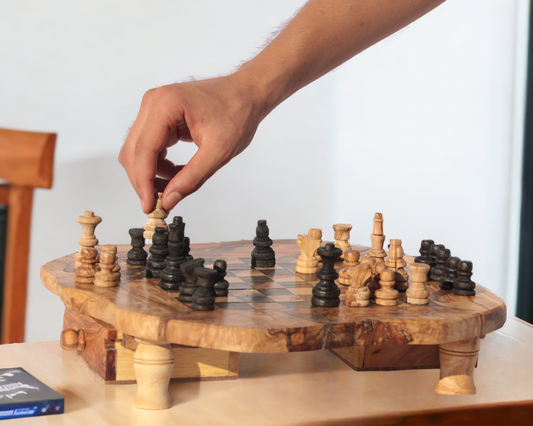
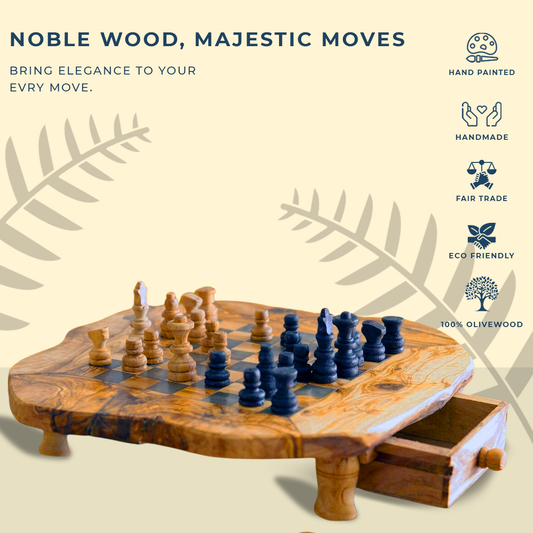
Enhance your home decor with this stunning handmade chess board, crafted from premium Tunisian olive wood. This exquisite chess set is not just for playing chess; it also serves as a beautiful deco...
SKU: tagine2-2-1-2
Collections: Supreme, Tagines, The Bazaar
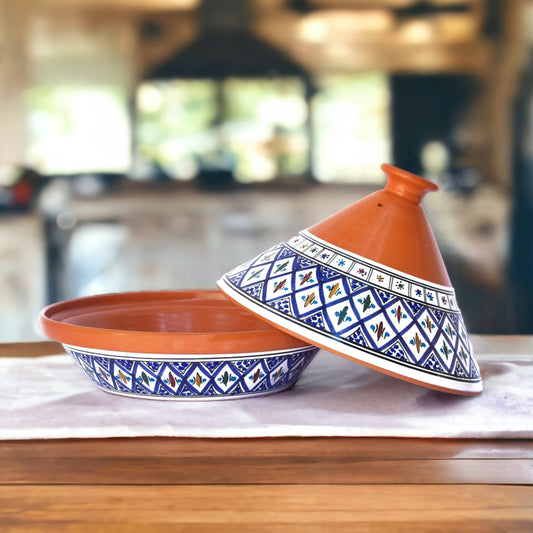
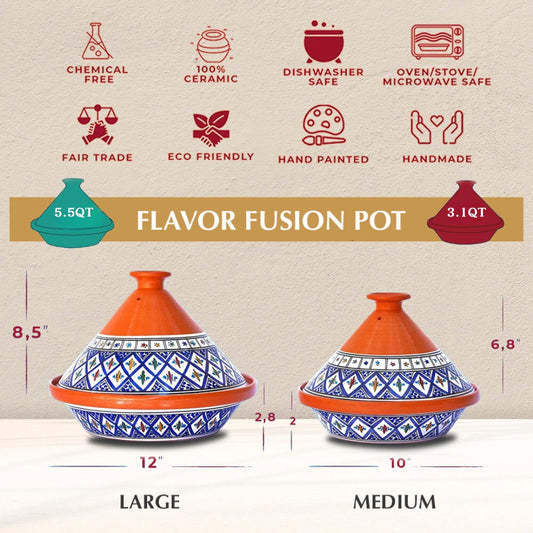
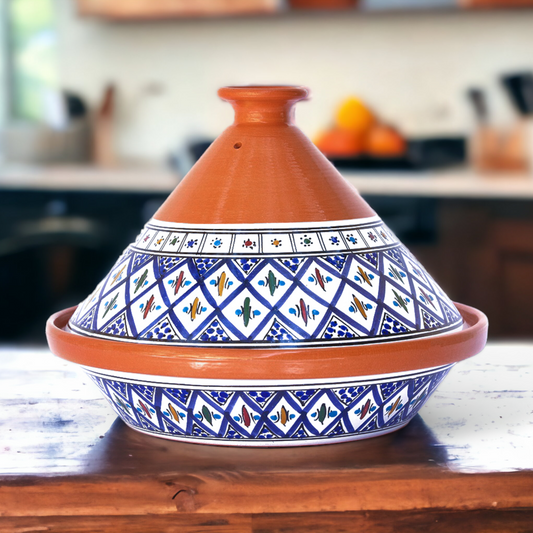
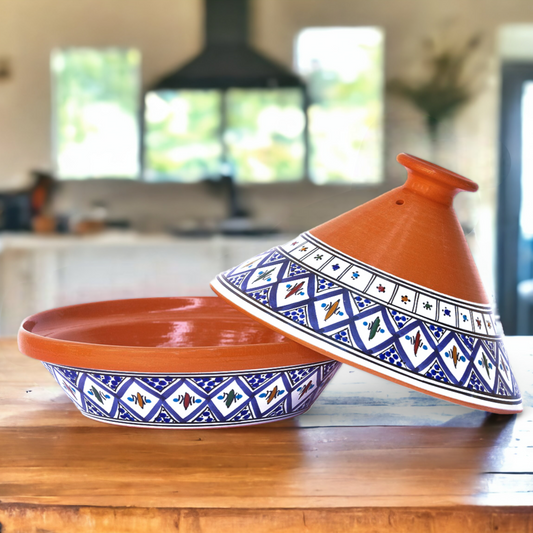
This tagine cooking pot by Kamsah is great for serving dishes at parties! These colorful dinnerware sets are made for both cooking and serving food. The base of the tagine's cookware is wide and sh...
Collections: The Bazaar
SKU: SKST
Collections: Best Sellers, Serving Sets, Star Serving Sets, The Bazaar
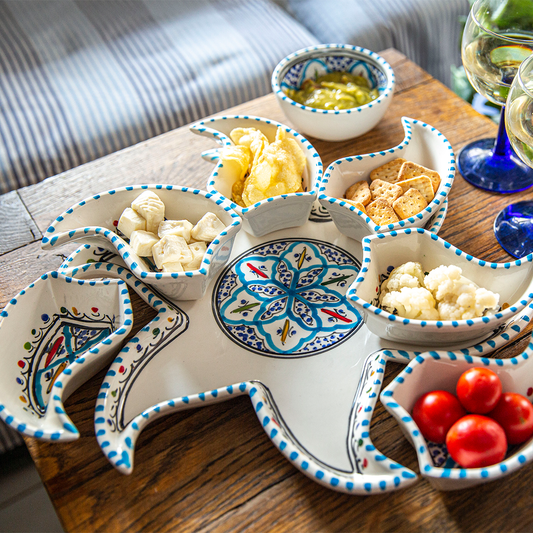
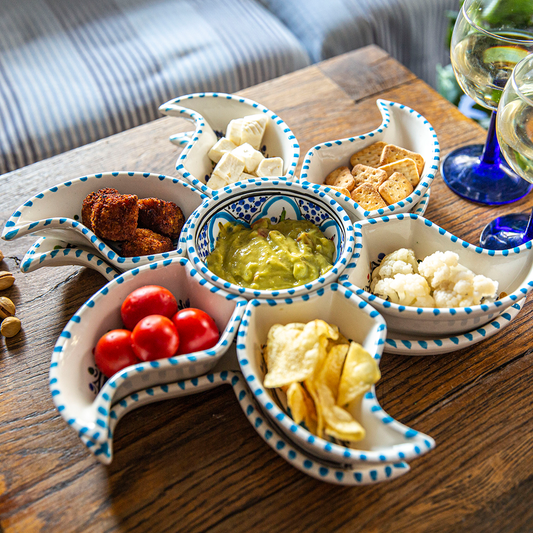
This Kamsah star shaped serving plate is the festive serving dish that you have been looking for! These unique handmade ceramic plates breaks into 7 little trays to serve appetizers and a larger bi...
Collections: Kitchen Essentials, Tabletop, The Bazaar
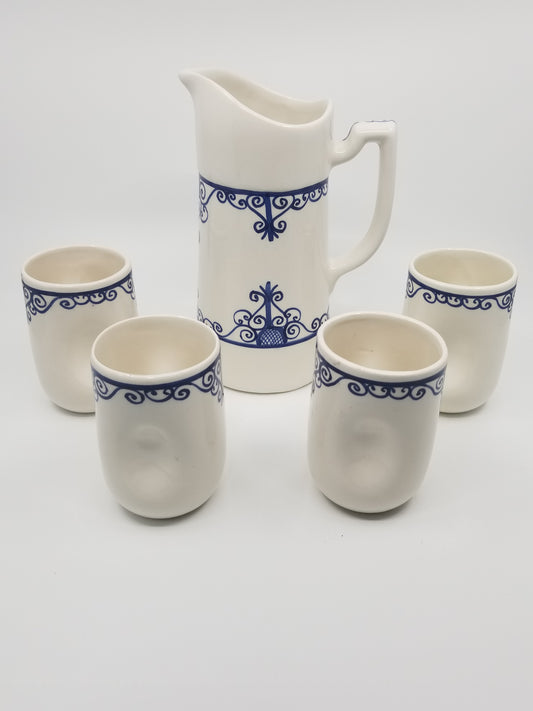
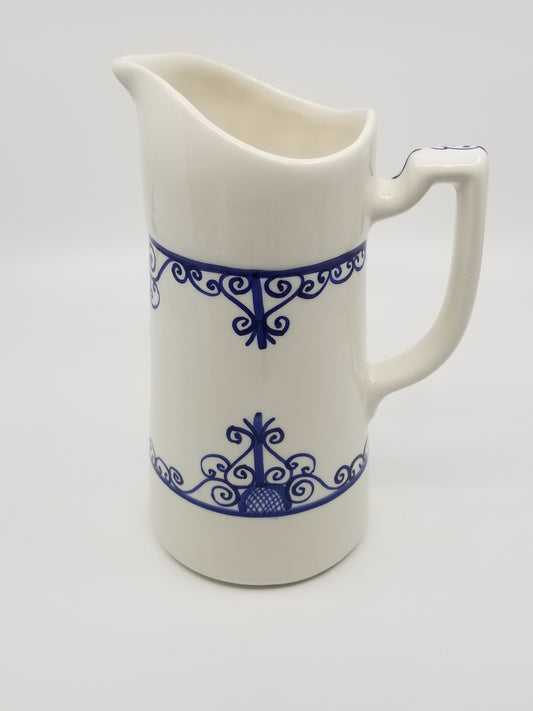
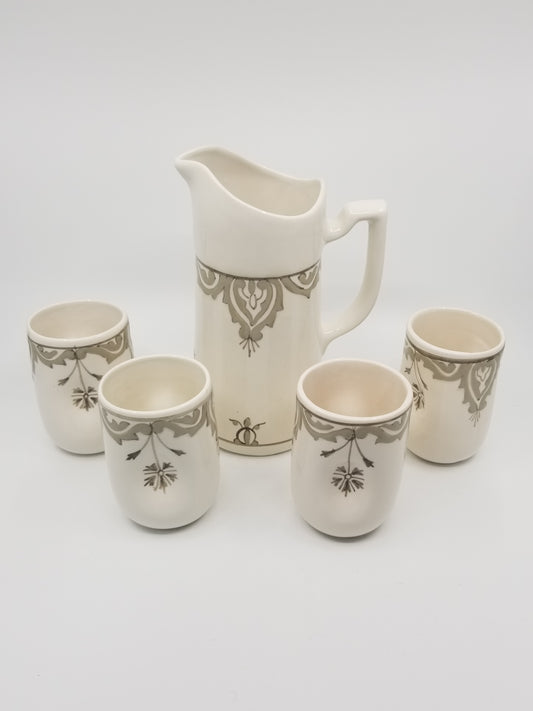
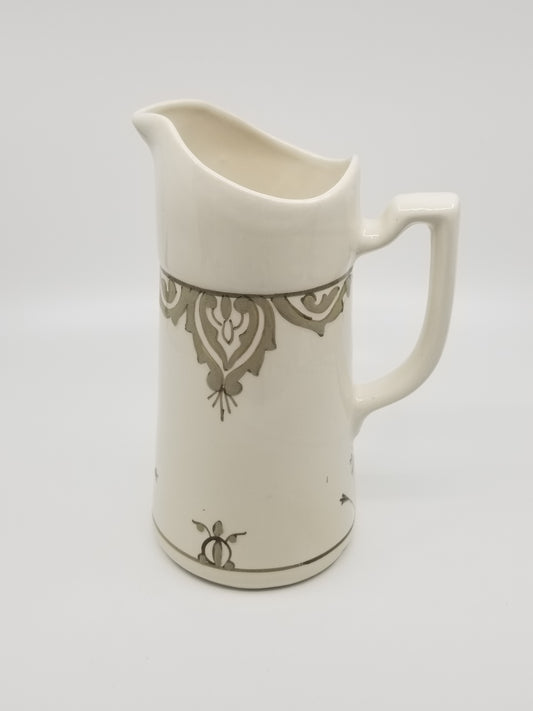
Handmade, Hand-painted Lead-free and chemical free Dishwasher safe Dimensions of the pitcher: D: 5" x H: 9" Dimensions of each mug: D: 3" x H: 4.5" CERAMIC HOUSEWARMING GIFTS: Our hand painted cer...
Collections: Tabletop, The Bazaar
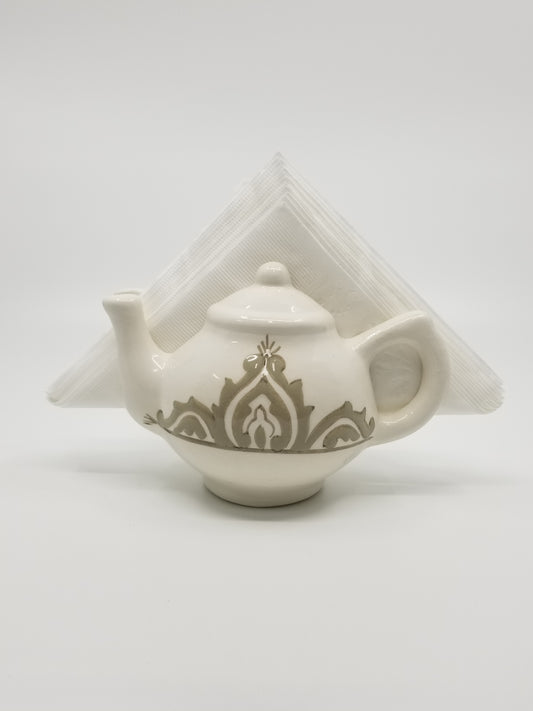
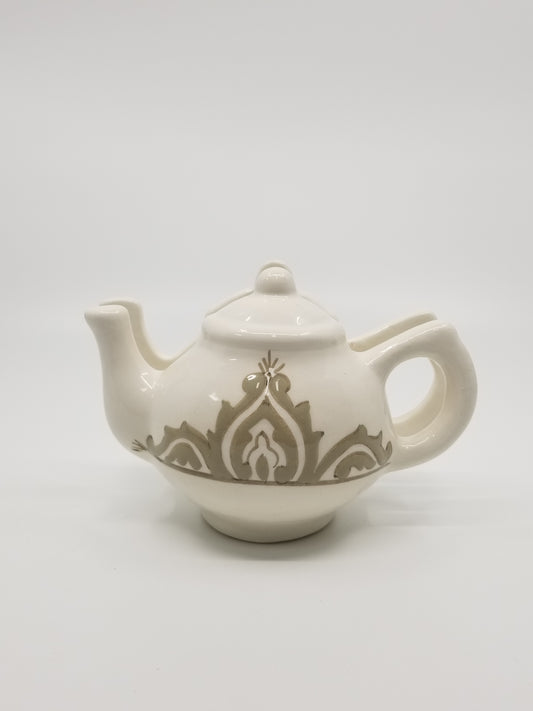
Our unique handmade and hand-painted ceramic napkins holder will be outstanding in your kitchen or living room.Available in Mediterranean blue color as well: Handmade, hand-painted ceramic napkins ...
Collections: Kitchen Essentials, Tabletop, The Bazaar
Handmade, Hand-painted Lead-free and chemical free Dishwasher safe Dimensions of the pitcher: D: 5" x H: 9" Dimensions of each mug: D: 3" x H: 4.5" CERAMIC HOUSEWARMING GIFTS: Our hand painted cer...
SKU: inscent37
Collections: The Bazaar
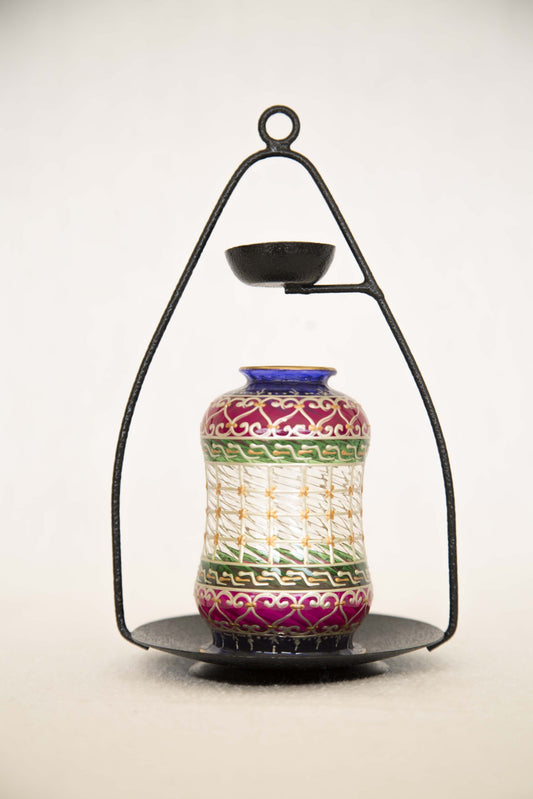
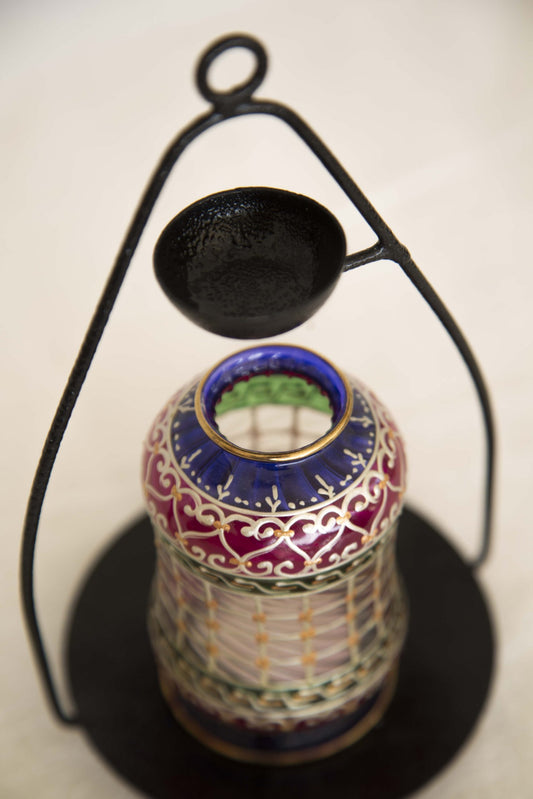
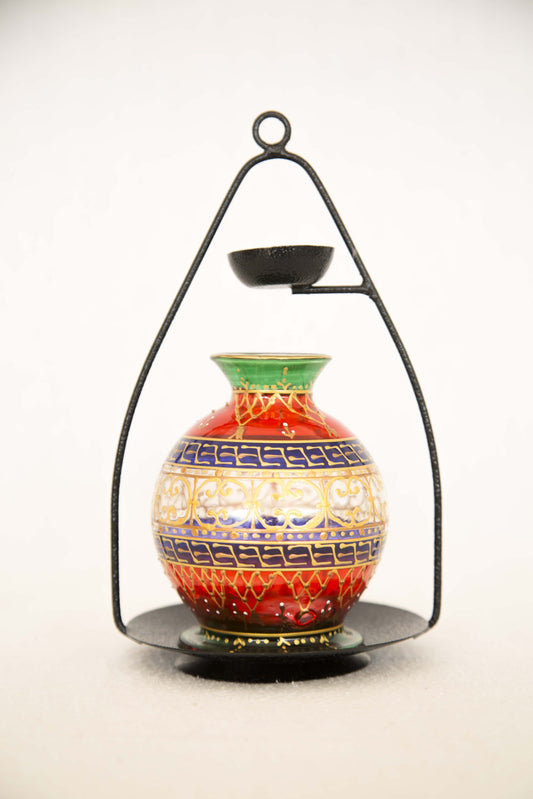
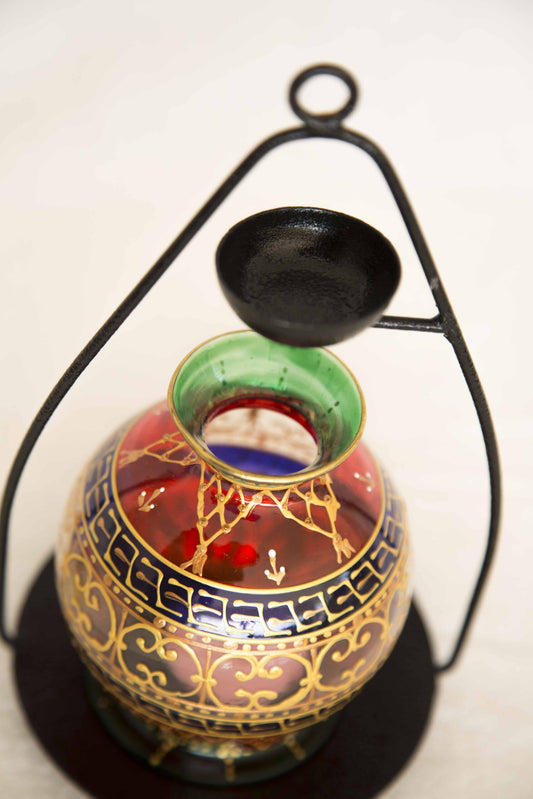
This little art masterpiece will give your living room, dining table or even your bathroom more charm and more class, along with divine all organic rare scents. Its curves resulting from a meticulo...
SKU: inscent35
Collections: The Bazaar
This little art masterpiece will give your living room, dining table or even your bathroom more charm and more class, along with divine all organic rare scents. Its curves resulting from a meticulo...
SKU: r74
Collections: The Bazaar
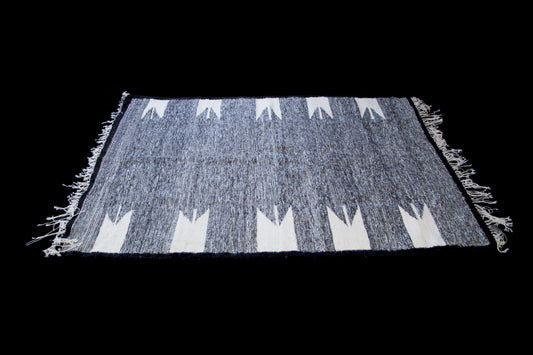
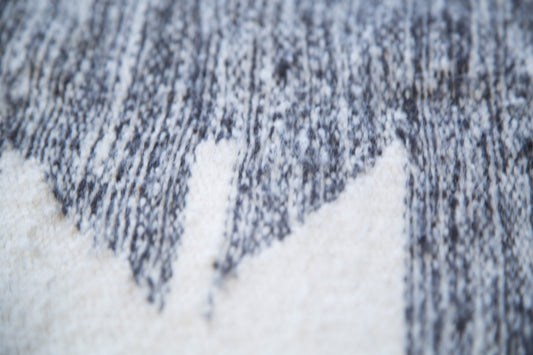
This stone gray Kilim rug takes inspiration from the real world in its simply designed edges. Look closely and you can see the inverse of split hoofed prints; whether they are from a rare addax, da...
SKU: 121
Collections: The Bazaar
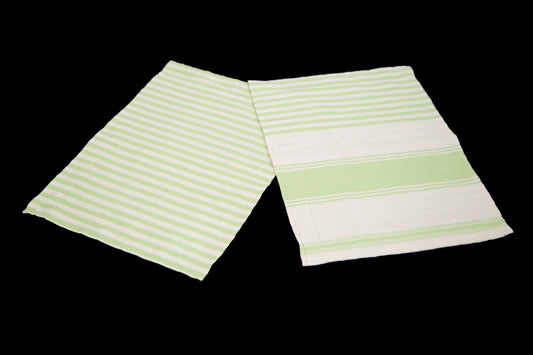
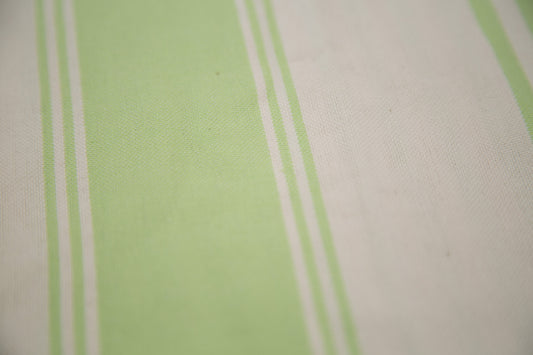
Dine in North African style with this beautiful set of two cotton placemats. Like all of Kamsah’s products, these pieces are handmade in Tunisia for the discerning palate, where taste isn’t just on...
SKU: rug3
Collections: The Bazaar
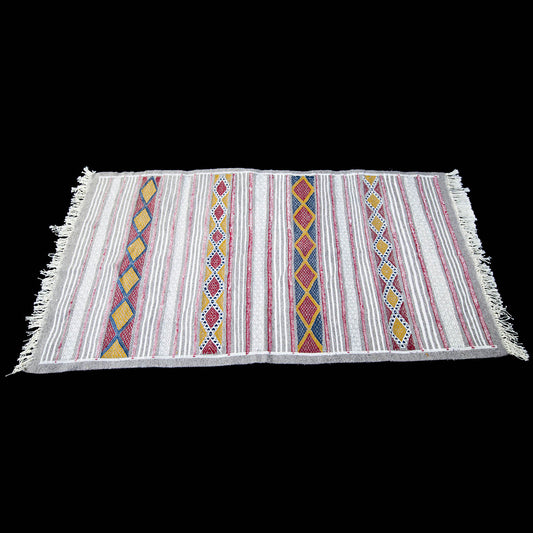
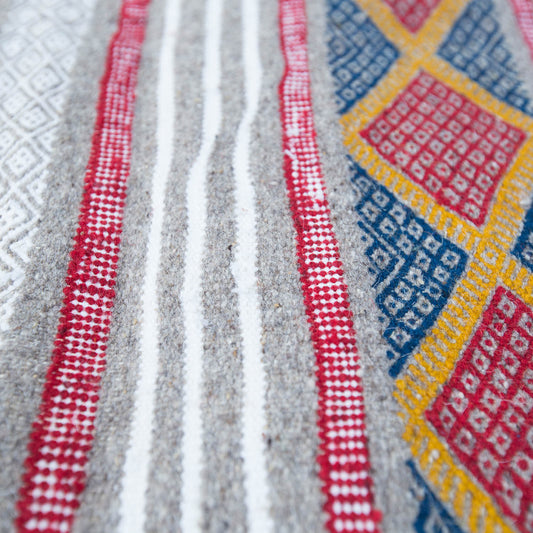
Contemplating the beautiful designs of this”Kilim” rug is similar to contemplating a most famous painting: the more you look to it the more you fall in love with those designs that defied time and ...
Everything below answers the questions people ask before their first one.
A tagine is a shallow earthenware dish with a tall conical lid, from North Africa. That shape isn't decorative — it's the whole point. Steam rises into the cone, cools at the peak, and falls back over the food as water. Nothing escapes.
Meat that would dry out in a pan turns soft enough to pull apart with a spoon, and you need barely any liquid to start with. It's the oldest slow cooker in the world, and it goes straight from the oven to the middle of your table.
Every Kamsah tagine is thrown and hand-painted in Nabeul, Tunisia — a city that has made ceramics for centuries — by local women earning a fair wage. Lead-free glaze, and compliant with California Proposition 65.
Same women, same lead-free clay, same hand-painted design. They differ in one thing: how far the pattern travels.
| Classic | Supreme | |
|---|---|---|
| Hand-painted lid | Yes | Yes |
| The base | Clean terracotta | Hand-painted to match |
| Medium (10", serves 2–4) | $109.95 | $119.95 |
| Large (12", serves 4–8) | $129.95 | $139.95 |
Two ways of finishing the same pot.
The Classic keeps the honest terracotta the clay came from. The Supreme carries the pattern all the way down.
Each color carries its own hand-painted design — not one pattern recolored, but three distinct ones. Both Classic and Supreme come in all three, in both sizes.


Traditional glazes often contain lead. Ours never have. Food sits in this dish for hours — you should know exactly what it's sitting in.
Lead-free glaze · California Prop 65 compliant · Oven, stovetop & dishwasher safe
Curing seals the porous clay and creates a naturally non-stick surface. Skip it and you risk cracking a pot on its first dinner.
Heat it slowly. Never a cold tagine into a hot oven, never a hot tagine onto a cold surface.
Use a diffuser on the stovetop. Gas flame is fine with a heat diffuser between the burner and the base.
In the oven, up to 450°F. Middle rack, and let it come up with the oven.
Low and slow. Two to three hours at gentle heat is where the texture comes from.
Go easy on the liquid. The lid recycles moisture — use about a quarter of what a pot would need.
Dishwasher safe, once cool. Let it reach room temperature first.

Same Tunisian clay, same lead-free glaze — a shallow open pan for the dishes a tagine wasn't built for. Roasted vegetables, baked eggs, anything that wants a crust rather than steam.
Explore Terra →It takes a day to make one tagine and a lifetime to learn how. Buying one supports the people whose hands are on it, not a factory line.
221 reviews · 4.9 average · 100% lead-free
Meet the artisans →


